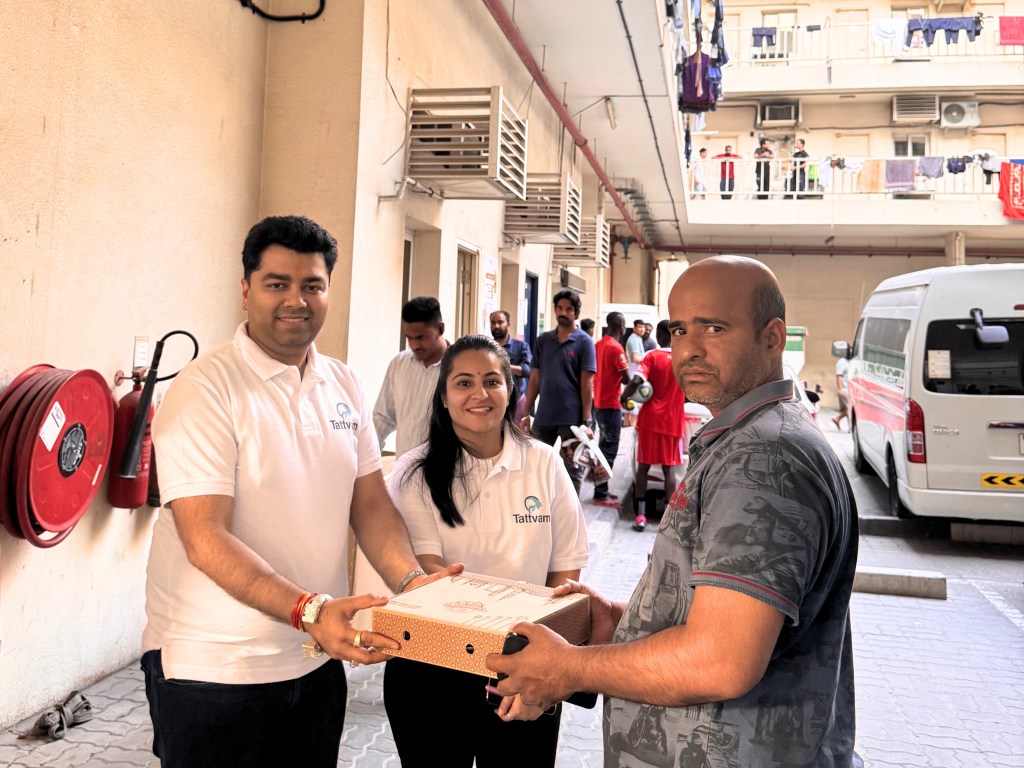
Ramadan 2026 has once again highlighted the importance of compassion, reflection, and community responsibility in both personal and professional life. In the heart of Dubai’s industrial landscape, at the Al Quoz Labour Camp, this spirit was vividly demonstrated on Monday, 16th March, 2026. On this day, I had the privilege of leading my team from Tattvam in an Iftar meal box distribution effort, reaching out to the hardworking individuals who form the backbone of our city’s infrastructure.
More than a charitable act, the initiative served as a reminder of the human connection that must underpin every successful business. In the fast-paced world of finance and entrepreneurship, it is easy to become consumed by numbers, growth targets, and market volatility. However, Ramadan serves as a necessary pause, urging us to look beyond our professional achievements and recognize our shared responsibility toward the community.
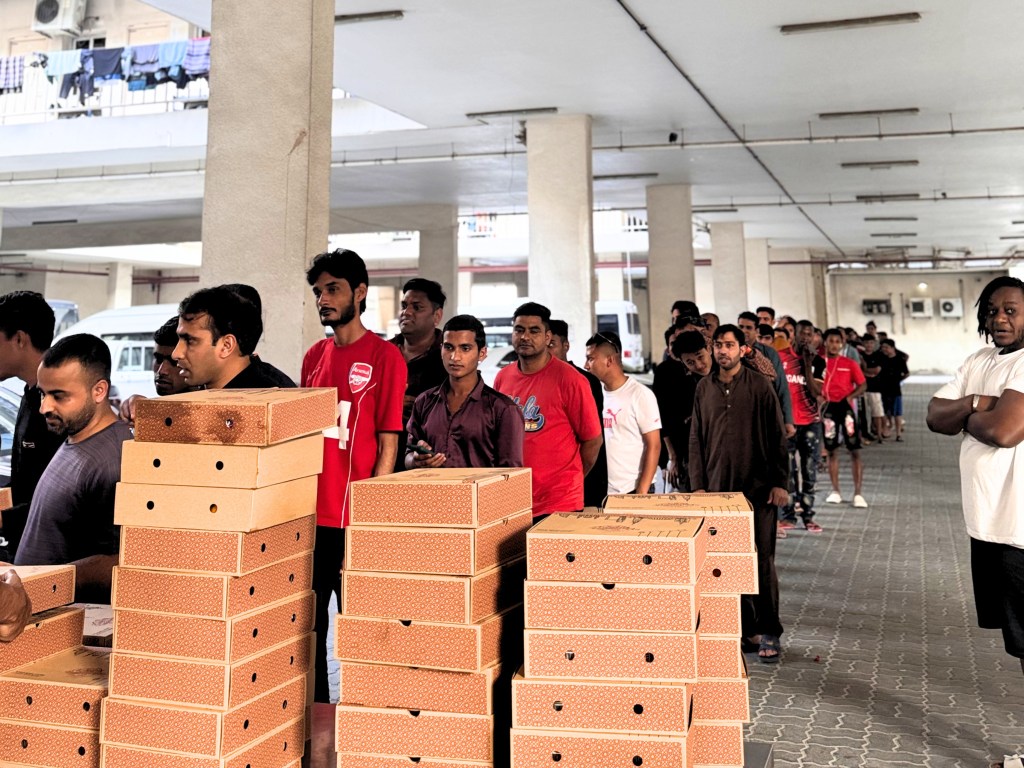
The Al Quoz district, known for its concentration of labor communities, is a place where the spirit of giving is most deeply felt. By distributing nutritious Iftar meals, we aimed to provide more than just sustenance; we wanted to convey a message of gratitude and respect to those who contribute so much to the UAE’s progress. This year, the UAE Food Bank has pledged to deliver eight million meals during Ramadan, highlighting a national commitment to food security and social welfare [1]. At Tattvam, we were proud to contribute to this larger collective outreach and be part of such a meaningful initiative.
From my perspective as a CEO, balancing entrepreneurship with community responsibility is not just a moral choice; it is a strategic one. A business that is disconnected from its community is a business without a soul. By engaging in CSR efforts like the Al Quoz Iftar distribution, we foster a culture of empathy and purpose within our own team. It reminds us that our work has a broader impact and that our success is most meaningful when it is shared.
Looking ahead, the role of the private sector in social development will only continue to grow. In 2026, ESG (Environmental, Social, and Governance) considerations are no longer optional; they are a standard part of how we measure business performance in the UAE [2]. Efforts like these are the “Social” in ESG in action, demonstrating that businesses can and should be a force for good.
In conclusion, the experience at Al Quoz was a humbling one, reinforcing the idea that leadership is as much about service as it is about strategy. As we shared Iftar with the workers, we were reminded that the true measure of our success is not found in our balance sheets, but in the positive impact we leave on the lives of others. While Ramadan reminds us to give back, the responsibility to create impact extends far beyond the holy month.
References
- UAE Food Bank pledges to deliver eight million Ramadan meals – The National
- ESG considerations in the UAE: what businesses need to know – Charles Russell Speechlys
This article is contributed by: Mithilesh Fichadia, Founder and CEO of Tattvam Capital Markets
 gulfnewsbusiness.com
Leave a comment